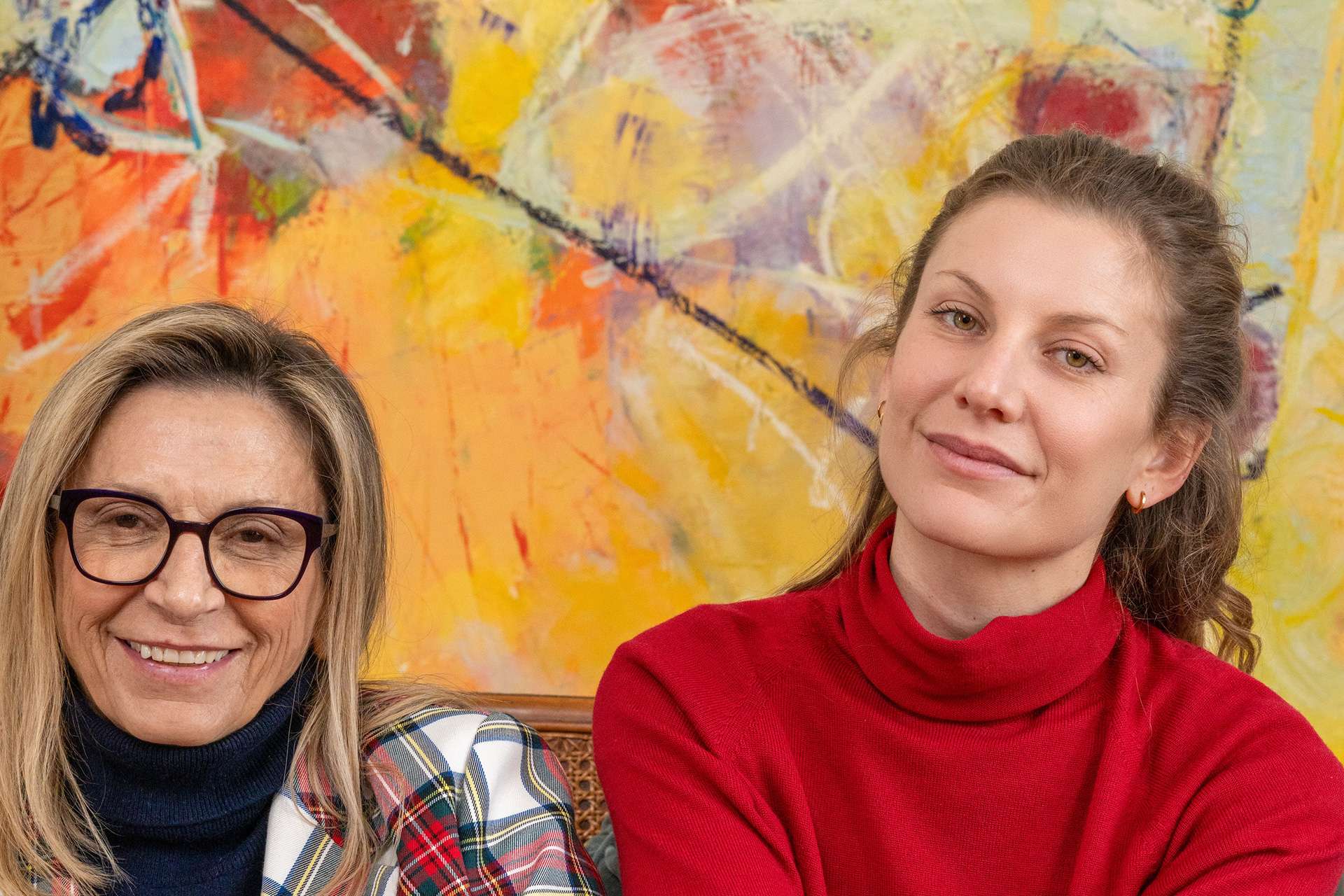
What is home to you? A question that sparks many different responses depending on whom you ask. For some, it’s a house filled with childhood memories, while for others, it’s a city that shaped their cultural references and everyday vernacular.
For Jasmine Boni-Ball, it’s a topic that’s deeply personal and nuanced. Thanks to her parents, who founded Tuscany Now & More over 35 years ago, Jasmine grew up immersed in the world of architecture design and Italian heritage. From an early age, she adopted an appreciation for how homes carry stories, reflect culture and shape the lives of those who inhabit them.
Having lived internationally since childhood, with an upbringing in Italy that informs the way she approaches her role, it’s a subject that feels inseparable from who she is. That experience now influences her relationship with each and every villa in our handpicked portfolio.
Read on to discover how Jasmine’s experience at Tuscany Now & More has shaped her perspective on home and heritage, and how it guides her personal approach to selecting villas and working closely with their owners.
Tell us a bit about yourself and the importance of home in Italy and to you.
My parents founded our company over 35 years ago, and both studied architecture. Homes were always part of the conversation: light, proportions, craftsmanship, history and the people who lived and still live inside those walls.
In Italy, a home is rarely just real estate. It often stays within the same family for decades, sometimes centuries. These are summer houses, agricultural estates, noble residences, but above all, they hold memory. Generations have grown up there. Lives have unfolded there!
My father used to tell me that whenever we visited a villa, I should look beyond what was visible to understand what the house was really holding. At the time, I didn’t fully understand what he meant. Now I do. There are homes you walk into and immediately sense whether they have been cared for. Even if the furniture changes, that feeling remains.
And then there are abandoned houses and Italy has many of them. When you step inside, the silence is heavy. You can feel neglect, and it’s difficult to witness. Some houses have been invested in. Others haven’t. You recognise the difference immediately – and so do guests. It’s not something you can manufacture.
For me, “home” in Italy is about continuity. It’s where landscape, architecture and family identity meet. My role sits there, helping owners preserve what matters while ensuring the house can function and endure over time.
What is one of the most interesting parts of your role in keeping Italian culture and heritage alive?
For me, it’s the restoration process. I didn’t formally study architecture or interior design, but I grew up around it. We built many villas ourselves over the years. My father followed projects from beginning to end, working closely with local architects and artisans. I learned by listening to conversations about structure, materials, planning, budgets and so on. Now I find myself sitting at those same tables.
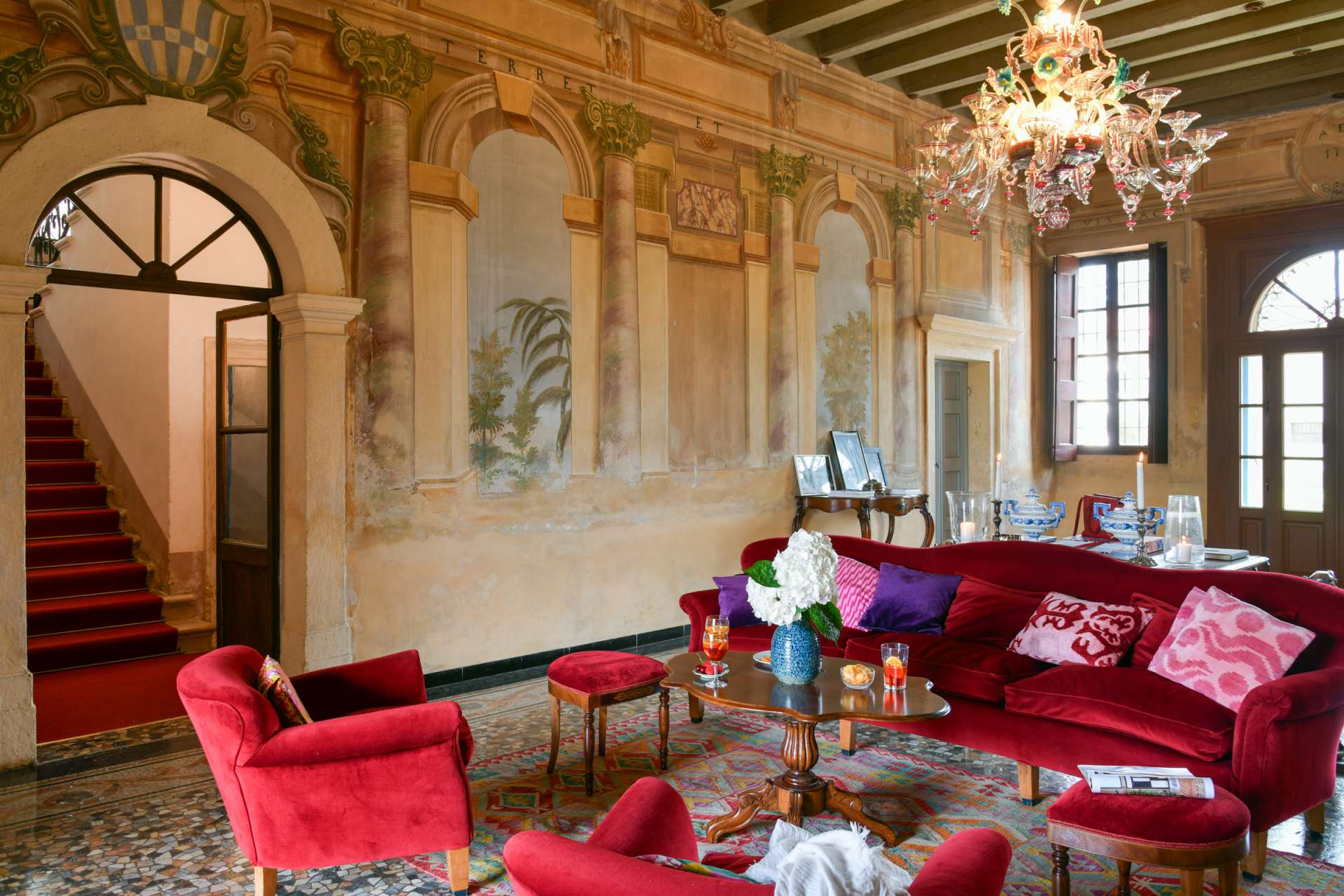
A large part of my role is helping owners adapt historic homes for modern living without compromising identity. That might mean rethinking circulation so a house "flows" better, introducing discreet, modern systems or reworking kitchens and bathrooms so they function properly – while keeping original proportions and materials intact. You can’t impose trends on a 16th-century villa. The building leads… you work with its bones!
What makes this work complex is this tension between preservation and practicality. These houses are expensive to maintain. Some are only used a few weeks a year. Without a sustainable model, many would simply close and over time, deteriorate…
By helping owners open them thoughtfully to guests, we create continuity. The house is lived in. Maintained, heated, repaired, used and then upgraded.
And heritage isn’t only architectural, it’s also cultural. Part of my role is putting our clients in direct contact with the communities around these homes: the chef cooking recipes rooted in the region, the small producer making wine on nearby land, the guide who grew up in the village. These connections aren’t decorative experiences; they’re how food traditions, agricultural knowledge and local identity are kept alive.
If we do it properly, a villa doesn’t feel like a rental. It feels like a house that happens to be shared.
Do you have any favourite projects you’d like to spotlight?
The projects closest to my heart are always the ones where preservation was chosen over "convenience", where an owner decided to restore rather than sell, to invest rather than divide and to take the risk. And where I can see not just the present, but the future… perhaps one day working with the next generation.
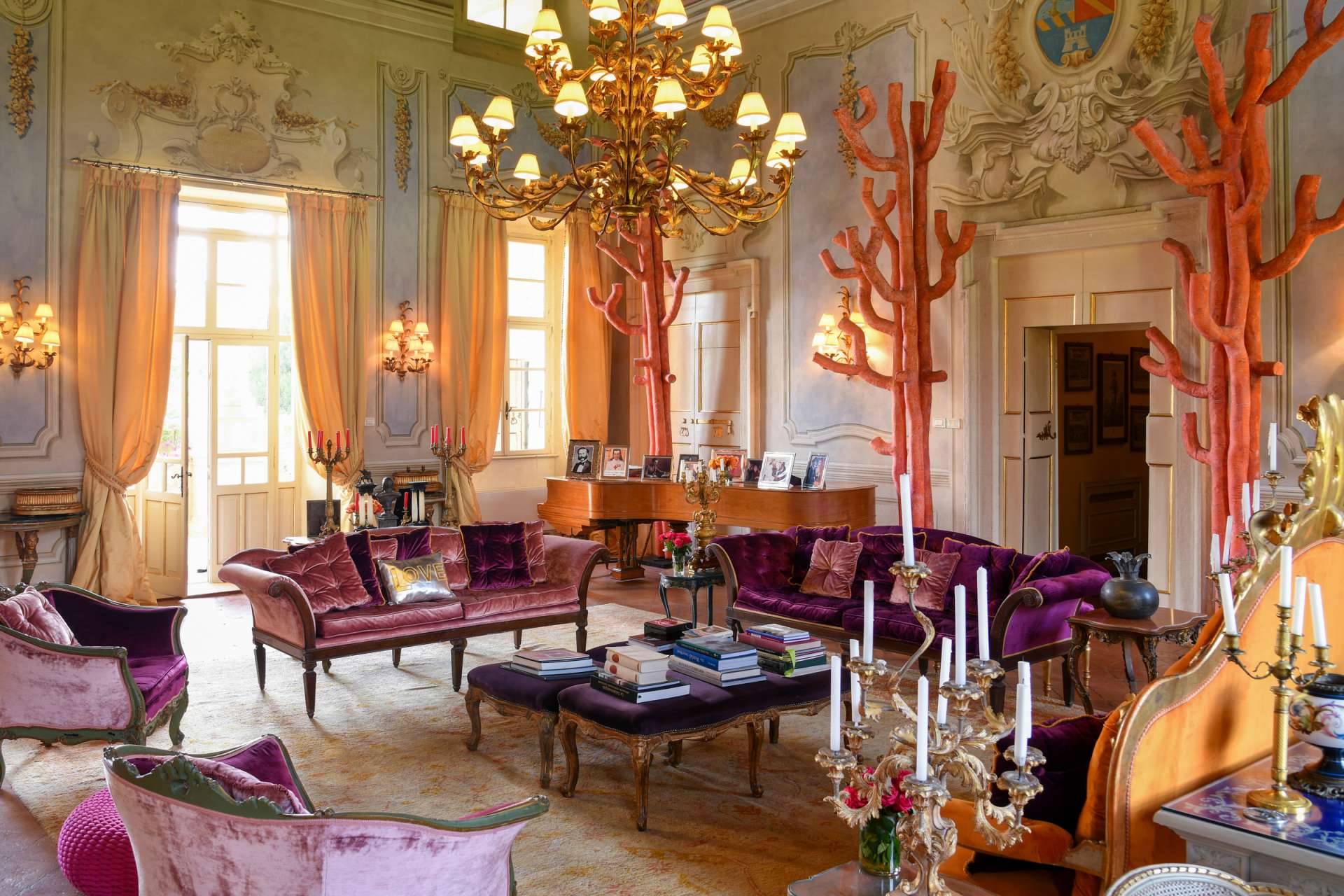
Villa Sigurtà holds a very special place for me. I remember my father visiting the villa around five years ago. When he came back and described it to me, his eyes were lighting up. He had seen something, not just the property itself, but the owner’s vision for it. He shared ideas, possibilities and projects. Count Jose Antonio Sigurtà listened. There was mutual respect from the beginning.
The villa had been passed down through generations, and Jose Antonio was determined to keep it alive, not as a burden or a headache, but as something his own children could grow up with. He speaks about memories of his father running across the front lawn, of extravagant guests visiting, of summers lived properly. He wants his son to experience that same continuity. That is what resonates with me. It’s not just restoration of a building, it’s protection of memory.
The Estate of Petroio is another example. My father and Edoardo, the owner, worked together for nearly thirty years. They became dear friends. I grew up going there. Now the estate will eventually pass to children who are my age. Yes, we are collaborators, but over time, relationships like that become something closer to family.
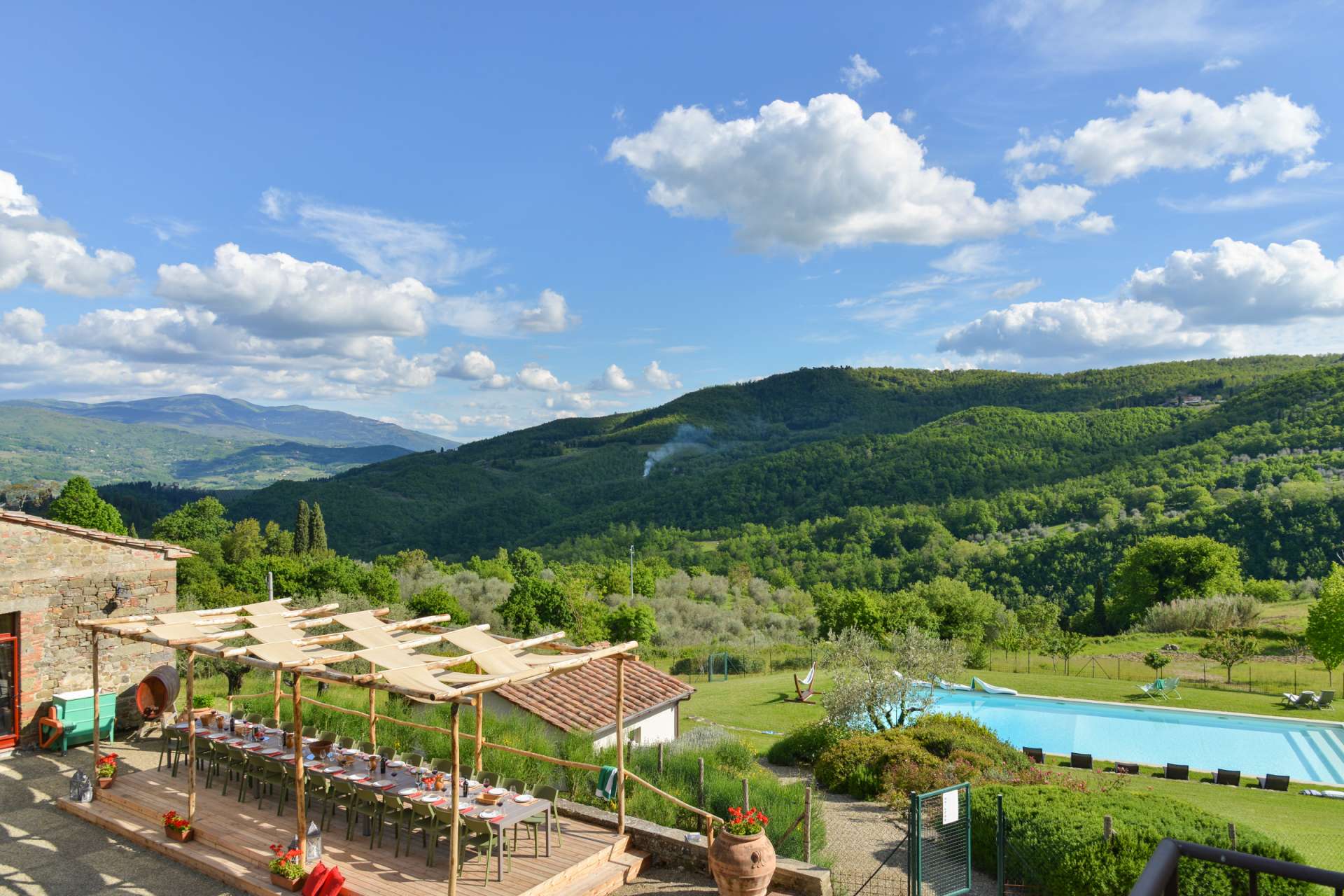
For me, the most meaningful projects are not transactions. They are long conversations across generations.
Have you got any upcoming projects we can look forward to?
Our philosophy has always been quality over quantity. We’re currently following several long-term restoration projects that have been in the making for three to four years, with launches planned between now and the end of April. Between this year and next, we’ll also be introducing two villas on the Costiera Amalfitana, as well as potentially a small, carefully considered collection further south.
For me, the direction remains clear: fewer homes, thoughtfully selected, working with owners who share our values and long-term vision!
Connect with our Villa Specialists
To learn more about the homes we represent – from restored farmhouses to grand countryside estates and stately manors – our Villa Specialists are here to help. Enjoy the rare experience of living in a converted 12th-century church restored by an eminent architect, such as Pieve di Ponsano, or stay in a restored Venetian villa steeped in heritage at Ca' Fortebraccio.
Home is at the heart of each property in our handpicked portfolio, inviting guests to become fully immersed in their stories and rich local culture.